A red with a thousand-year story
Cinnabar is also known as vermilion or Chinese red. Its distinctive deep red has long carried wishes for good fortune, peace and a beautiful life in Chinese culture.
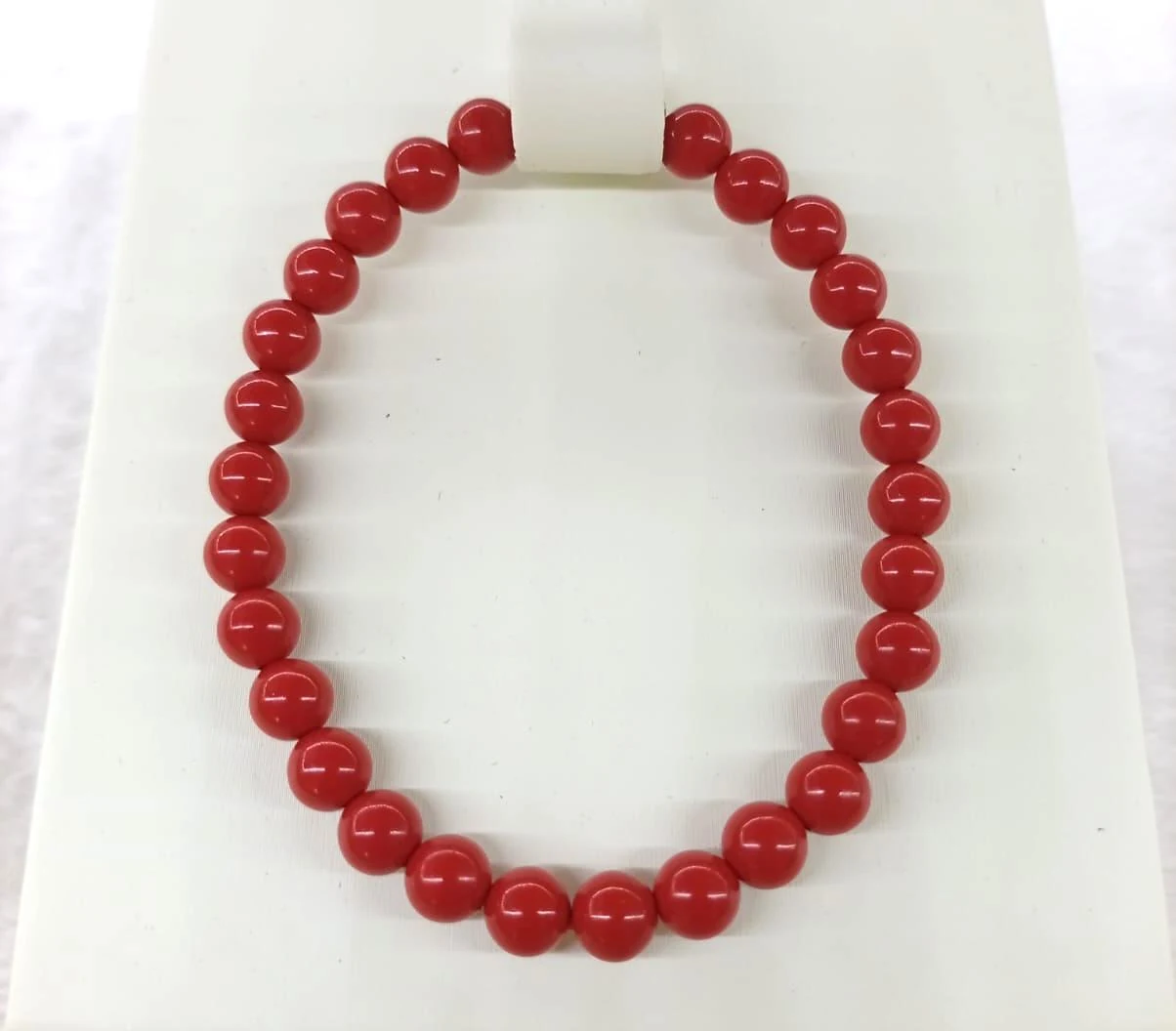
Cinnabar red in Chinese tradition
Across a long Chinese cultural history, the vivid red of cinnabar has been associated with good fortune, strength and protection. Bracelets, pendants and decorative objects give personal wishes a form that can be seen, worn and appreciated.
Each cinnabar piece is a meeting point between culture, craft and personal meaning.
A modern language for jewellery
Bracelets and pendants bring traditional adornment into present-day styling. Varied bead forms, cords, metal details and other materials allow cinnabar red to retain its cultural identity while feeling personal and contemporary.
An Eastern focal point for interiors
Ornaments bring sculptural presence to a study, living room or workplace. Carved forms, tactile surfaces and cinnabar colour combine in objects made for both display and cultural appreciation.
Traditional forms, thoughtful wishes
Different motifs convey different wishes. Their meanings come from folk culture and are best understood through appreciation and personal sentiment.
Tradition, alive in the present
Find a catalogue piece that reflects your taste and intention.